Songs for Solar

Thanks to everyone who participated in this fundraiser! We raised over $2000 for the GiveSolar Seed Fund.

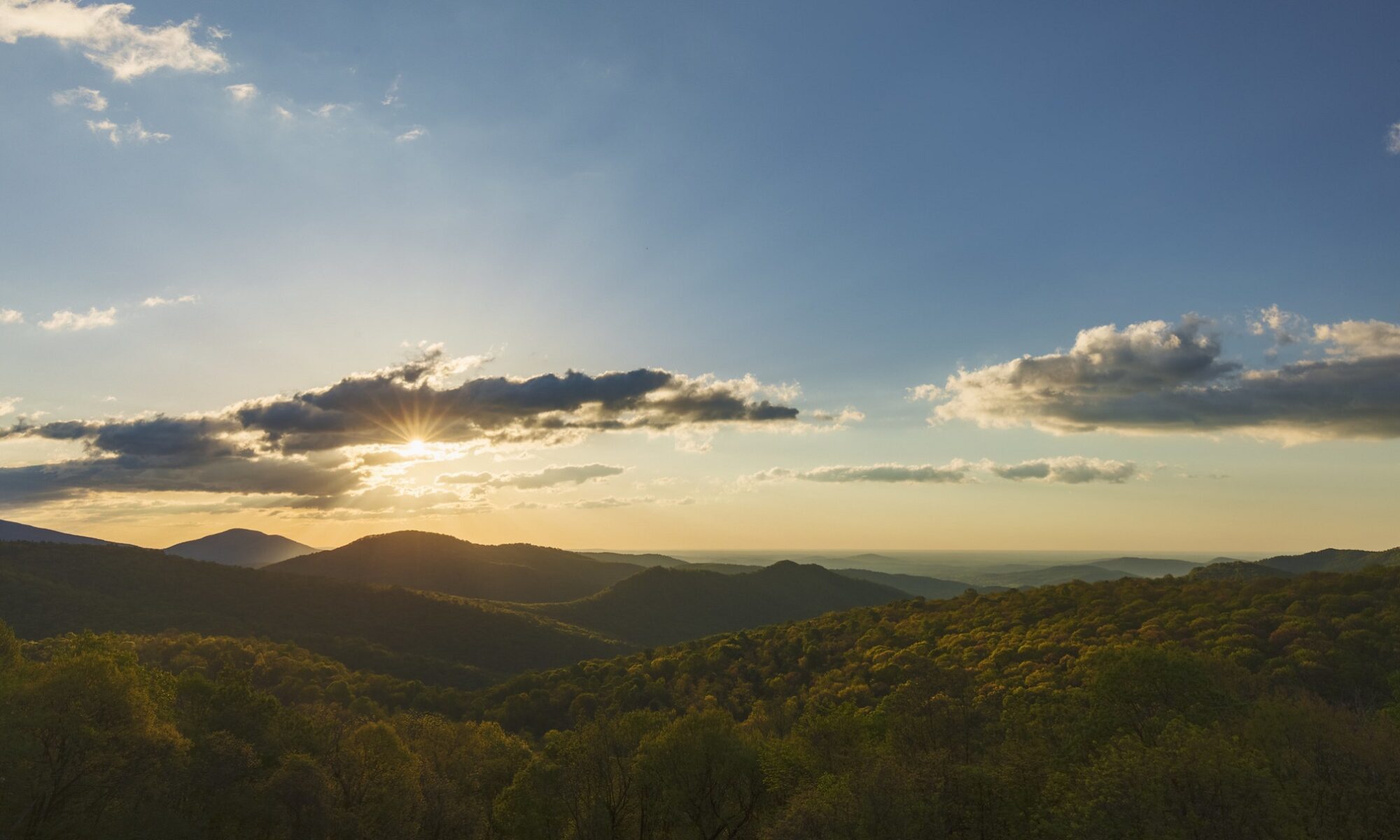
Click on the image above to listen to Aidan Quinn and Christine Stay of Friction Farm as they perform the song they wrote for this event.

Join the Climate Action Alliance of the Valley and GiveSolar for an evening of music by acoustic duo Friction Farm, to benefit GiveSolar‘s work in spreading the wealth of solar energy.

Friday, September 10 | 7-9:30PM

Community Mennonite Church
70 S High St, Harrisonburg

Free-will donations accepted at the door or on the GiveSolar website HERE.

“Songs for Solar” is a fundraiser for GiveSolar’s Solar Seed Fund which is raising money to install solar panels on new Habitat for Humanity homes in Harrisonburg and Rockingham County. Find out more about the Solar Seed Fund initiative on their website HERE and through their Facebook page HERE.

Come for the music, to hear more about the inspiring work of GiveSolar, and for snacks and socializing! Update: due to the uptick of COVID cases in our area, no food or drink will be provided, but the music will feed your souls.*

MASKS are MANDATORY.


Aidan Quinn and Christine Stay of Friction Farm come from their self-built solar powered home in the hills of South Carolina to support GIVE SOLAR.  The non-profit is working to raise $100,000 as a seed fund that will be used to install solar on 20 Central Valley Habitat for Humanity homes the in the next five years. The work is all done by volunteers in “solar barnraisings.” A generous donor is matching each dollar given so contributions will go twice as far. Jeff Heie, founder of GIVE SOLAR, will talk about the project and how you can volunteer to help before the concert begins.

“Modern-folk duo Friction Farm is a husband and wife team of traveling troubadours. Aidan Quinn and Christine Stay combine storytelling, social commentary and humor to create songs of everyday life, local heroes, and quirky observations. From ballads to anthems each song is filled with harmony and hope.

  • Kerrville New Folk Finalists
  • Falcon Ridge Emerging Artists
  • South Florida Folk Festival Song Competition Winner
  • Susquehanna Music and Arts Festival Songwriter Finalists
  • Southeast and Southwest Regional Folk Alliance official showcase artists

Friction Farm has performed internationally and toured the US. They feel at home on the road and on stage. Audiences lean into their stories, laugh at their humor, are inspired to do a little good in the world, and even sing along once in a while.

Aidan and Christine have been performing as a duo for [fifteen years.] He’s from Berkeley, CA and she’s from Woodstock NY. They met in college studying geology and engineering. Though they each had successful careers, their sense of adventure and love of music and travel were too strong to ignore. They hit the road with a handful of songs and never looked back. Friction Farm has performed across the US and in Europe, Asia, and Africa. When not touring Aidan does some woodworking and Christine bakes. They have a big garden and a small orchard at the sustainable home they designed and built in South Carolina.” — Tedx Greenville, 2016 https://tedxgreenville.com/portfolio/frictionfarm/

Their latest album is “Evidence of Hope,” which is what we all need more of right now!

Find more about them HERE.

They’ve written a song just for this event. Be the first to hear it!

Other sponsors of this event include the Shenandoah Group of the Sierra Club, the Harrisonburg Unitarian Universalists, Community Mennonite Church, Earth Day Every Day Harrisonburg, and Trinity Presbyterian Church.


* To address COVID concerns, in addition to mandatory masking, there are lots of doors we will prop open around the room and with the large ceiling fans in the vaulted ceiling space, we think it will provide a relatively safe environment for us and for our performers, Aidan Quinn and Christine Stay of Friction Farm.

Also, seats will be spaced out around the room, two together (though of course you can pull chairs together for your family members.)

This will mean fewer people can come in and once we reach capacity, others will very SADLY be turned away.

Virginia Environmental News Roundup for July 2021

The Climate Action Alliance of the Valley is pleased to provide Harrisonburg’s The Citizen with a monthly survey of energy and environmental news stories about Virginia.

With their permission, we are re-posting these pieces here after they appear in The Citizen.


The link to this piece as first published by The Citizen is HERE.

Statewide Environmental News Roundup for July 2021

Energy

Solar has been making news:

  • A Harrisonburg non-profit, Give Solar, has partnered with the local Habitat for Humanity affiliate to put solar on several newly constructed homes this year. The hope is to provide “a path to homeownership and sustainable energy” and to expand the model to other Habitat affiliates in the state.
  • An area installer has secured $25 million in financing to “develop, own and operate solar power projects in Virginia, West Virginia and North Carolina. Solar projects will include K-12 public schools, colleges and universities, hospitals and local government facilities.”
  • Large-scale solar development is underway across the state, with localities inundated with special use permit applications, some of which proposed solar as a new use for formerly industrial sites, or “brownfields.” Planning commissions and Boards of Supervisors in numerous counties have examined their zoning ordinances and listened to the public. Here are links to stories about this in a few of the many affected localities: Augusta CountyBuchanan CountyRockingham CountyHalifax CountySurry CountySouth BostonFauquier CountyMecklenburg County, and Gloucester CountyNot everyone is enamored of “utility‑scale” solar facilities.
  • With contracts signed between Appalachian Power and several southwest Virginia localities, schools there can finally move toward putting solar on their roofs.

Energy efficiency has also gotten some press:

As did off-shore wind:

court upheld Virginia’s Regional Greenhouse Gas Initiative (RGGI), which is intended to reduce our carbon pollution from power plants. Revenue received from carbon polluters will provide funding for coastal resilience actions and energy efficiency initiatives for low income residents.

Owners of a proposed, and controversial, fracked gas plant near Charles City canceled plans to pursue the project after evidence showed DEQ could have revoked the permit it had granted. DEQ announced the Air Quality Control Board delayed consideration of a permit for the Lambert Compressor Station until September. Meanwhile, another company is exploring routes for a pipeline in Charles City, Hanover, Henrico, Louisa and New Kent counties.

EPA believes the Army Corps of Engineers should “not grant [the] Mountain Valley Pipeline stream crossing permit.” Even so, MVP owners recently purchased $150 million in carbon offsets to counter effects of its operations. Two Appalachian Voices staff members think that’s “greenwashing.”

Nelson County residents recently celebrated cancellation of the Atlantic Coast Pipeline one year ago. Berkshire Hathaway abandoned plans to purchase a gas pipeline from Dominion Energy because of “uncertainty about whether the deal could get regulatory approval.”

There is a new “state official supporting the rollout of green banks in Virginia”; green banks will help finance renewable energy projects. An analysis showed “Targeted Stimulus Investment in Advanced Energy Would Deliver Nearly $134 Billion to Virginia’s Economy.”

Climate and Environment

There have been numerous reports of sick birds in several states, including Virginia. Scientists are trying to learn why. DEQ reported a large fish kill (~8,000) in Little Creek near Bristol from a lye spill. A UVA-Wise researcher is studying amphibians in a wetlands area at the top of a mountain in southwest Virginia to find out what types of frogs and salamanders live there.

Fredericksburg is wrestling with whether, and how, to tax plastic bagsFairfax County plans to explore such a tax.

The new state park along the York River, Machicomoco, harks back to when it was the home of native people, with plentiful “tall grasslands and woods.” The only state park dedicated to indigenous tribes, its “dual purpose [is] to honor Native American tribes that trace their ancestral roots to the land and to educate nonnative visitors about the land’s importance to Indigenous people who still live in the region.”

Perhaps there will someday be a Chesapeake Bay National Recreation Area. Still, “cuts to clean water protections threaten Chesapeake Bay restoration.”

There is considerable interest in the planned Shenandoah Rail‑Trail that will link Broadway and Front Royal. The Alliance for the Shenandoah Valley is a proponent. Woodstock’s “bike and pedestrian trail [is] still on pace as [the] town nears engineering stage.”

Check out…

Find out about….

The Climate Action Alliance of the Valley (CAAV) is a non-profit, grassroots group in the Central Shenandoah Valley that educates legislators and the public about the implications of the Earth’s worsening climate crisis.

July News Roundup

First edition of a new Climate Action Alliance of the Valley Roundup of environmental and energy news! It follows the Weekly Roundup that Les Grady provided for many years; CAAV is so grateful for his efforts.

We plan to publish monthly and will try different approaches. We’d appreciate your feedback. Write us at contactcaav@gmail.com.

Find this July 2021 edition and future monthlies here. Read our monthly summary of Virginia Energy and Environmental news that the Harrisonburg Citizen publishes on its Perspectives page. CAAV is grateful to the Citizen’s editors for providing this community service and also to the Augusta Free Press editor for publishing our weekly Roundup and this new monthly.

Political, Legal, Policy

International

Legislation and Litigation

Administration, regulations, analyses, solutions

Wonk alert!

Visions (Realities?) of the future

  • Many climate-related events and results are leading people to re-evaluate whether and how they can remain in their homes and communities. Affected groups include Native Americans.
  • Some cities are examining what and how they’ll be in 2040 (Harrisonburg); others are thinking about 2121.

Our Changing Climate

Heat and fires

Drought, flooding, hurricanes, sea ice loss, sea level rise

Plastics, chemicals, and waste

Plants, animals, and wild places

Energy

Renewables, biomass, and nuclear

Transportation

Fossil fuels

We’re far from done with pipelines and maybe not coal either. This week’s stories told of …

Utilities and electric grid

  • A MI utility wants to meet its carbon reduction goals but plans to replace its coal‑fueled plants with those run on natural gas.
  • CA wants to test renewable energy and storage and grid capacity, without natural gas.
  • Utilities, the financial sector, and industrial energy customers agree that “transitioning away from coal is good for ratepayers.”
  • Wonk alert: RMI provides its “Utility Transition HubTM Insights” that foster understanding of what’s ahead for utilities and their customers.

Ideas, Entertainment and Information

Joy Loving

CAAV Steering Committee