Climate News Roundup 9/25/2015

  • The big news this week was the visit of Pope Francis to the U.S. and his speeches before a joint session of Congress and the U.N. Since they have been covered so extensively in the mainstream media I am not providing links to them here. However, I thought there were two particularly good articles in The Washington Post. One, by Chelsea Harvey, enumerated five important things about climate change that the Pope understands. The other, by Chris Mooney, made the case for why we might gain a little cautious optimism from the Pope’s visit.
  • While most attention has been on the Pope’s visit, the visit of Chinese President Xi Jinping has resulted in some significant commitments that will have a strong impact on their CO2 emissions. One of them is a nationwide cap and trade system on CO2 from several major sectors of their economy. The Spark, the newsletter of the Rocky Mountain Institute has links to a number of articles about the Chinese and U.S. commitments.
  • Last week I gave you links to the first two reports from Inside Climate News (ICN) about Exxon’s climate change research program in the 1970’s and 1980’s. Here is the third installment, plus an infographic that lays out the timeline. In addition, here is a response from Exxon/Mobil.
  • Adam Ozimek at Forbes reports on an interesting idea for keeping fossil fuels in the ground patterned after conservation easements.
  • Miguel Canete, the EU’s climate chief, has stated that the EU will push for a robust, ambitious, and binding climate change agreement at the UN talks in Paris in December. The EU nations call on all nations of the world to phase out fossil fuel use by 2100. At the same time, some are expressing optimism that the Paris talks in December will lead to a landmark agreement.
  • When electrical distribution systems were first being built, the big battle was between alternating and direct current, with alternating current, or AC, winning out. Today the big battle is in the energy storage and automotive technology areas and is between hydrogen and batteries. Who will win? Germany appears to be betting on hydrogen as discussed in this article from E&E News.
  • The number of carbon pricing schemes, either taxes or cap and trade systems, have almost doubled worldwide since 2012 according to the World Bank. Unfortunately they still cover only 12% of emissions and are insufficiently high to keep global warming below 2C. Interestingly, a number of large corporations have begun charging themselves a price for carbon emissions as a way for preparing for the day in which carbon is priced globally.
  • We’ve known for some time that as the planet warms, permafrost will melt, allowing the organic matter stored in it to decompose, releasing carbon dioxide and methane, which are both greenhouse gases that will cause the planet to warm even more. What we haven’t known are the economic impacts of the additional warming associated with the melting permafrost. Now, a scientist and an economist have teamed up to estimate what those costs are.
  • A study just published in Nature Climate Change indicates that if nothing is done to curb global warming, flooding along the Atlantic and Gulf coasts will increase by 35 to 350 times over historical occurrences due to the combined effects of storms and sea level rise. Of course, sea level rise occurs everywhere and this means that birds that nest on low-lying islands will be increasingly vulnerable to its impacts.
  • Another study in Nature Climate Change has found that more methane is being emitted by landfills in the U.S. than previously thought because those landfills are receiving more organic waste that undergoes rapid decay.
  • Investors representing $2.6 trillion in assets have now pledged to divest from fossil fuels. Also, an increasing number of global corporations are increasing their efforts to fight climate change through actions such as using more renewable energy and stopping deforestation. The effort of the shipping industry to become more fuel efficient is one example.
  • In a previous Weekly Roundup I provided material about a possible weakening of the Atlantic Meridional Overturning Circulation (AMOC), which is a major circulation that carries heat from the equator to the North Atlantic. Now NOAA has released data showing that the North Atlantic is indeed cooling. Chris Mooney of the Washington Post discusses this.
  • A report released Wednesday by the U.S. Energy Information Administration states that the total number of operating coal mines in the U.S. has hit the lowest on record while the number of new coal mines opening has fallen to the lowest point in a decade. Records go back to 1923.
  • Scientists at Harvard have published a paper in Science reporting on a new type of flow battery that is made with cheap, non-toxic, non-corrosive, non-flammable, high-performance materials. Such batteries are easily scaleable and are targeted at stationary locations, such as homes and businesses.
  • You often hear that 97% of climate scientists believe that climate change is happening and is being driven by human activity. But what about other scientists? Is there such strong acceptance among them? To find out a survey of biological and physical scientists was conducted, finding that 92% of the more than 700 scientists surveyed agreed with the 97% of climate scientists.

These news items have been compiled by Les Grady, member and former chair of the CAAV steering committee. He is a licensed professional engineer (retired) who taught environmental engineering at Purdue and Clemson Universities and engaged in private practice with CH2M Hill, the world’s largest environmental engineering consulting firm. Since his retirement in 2003 he has devoted much of his time to the study of climate science and the question of global warming and makes himself available to speak to groups about this subject. More here.

Charlie and the BXE Fasters

fast_fb_image

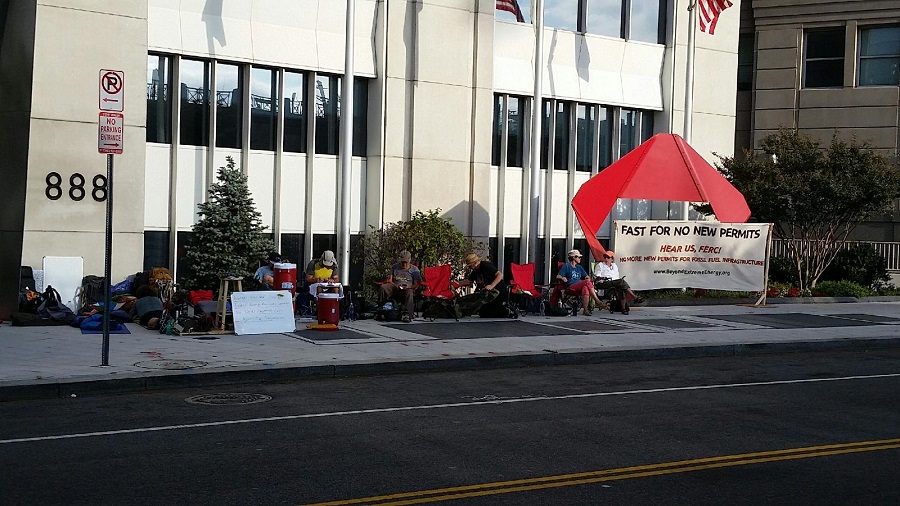
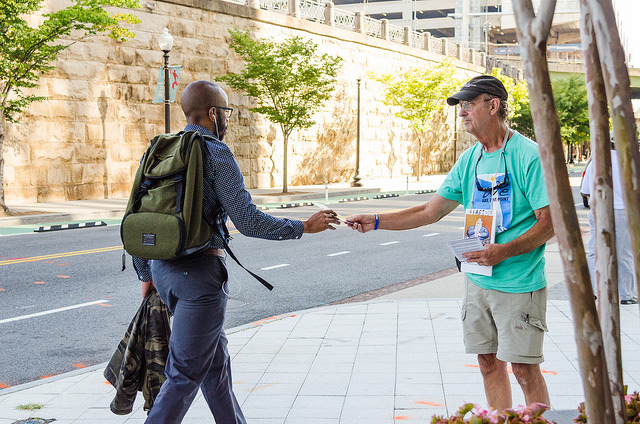
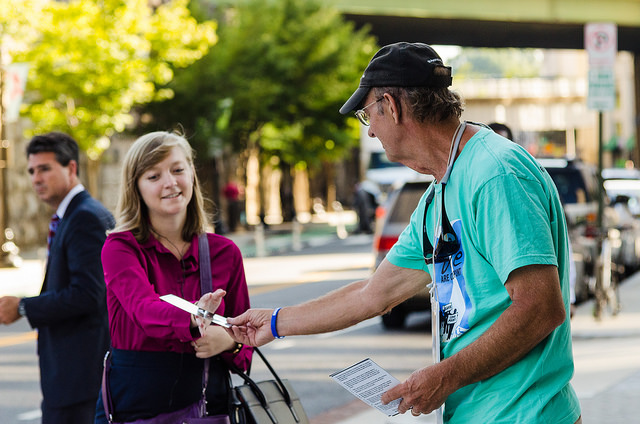
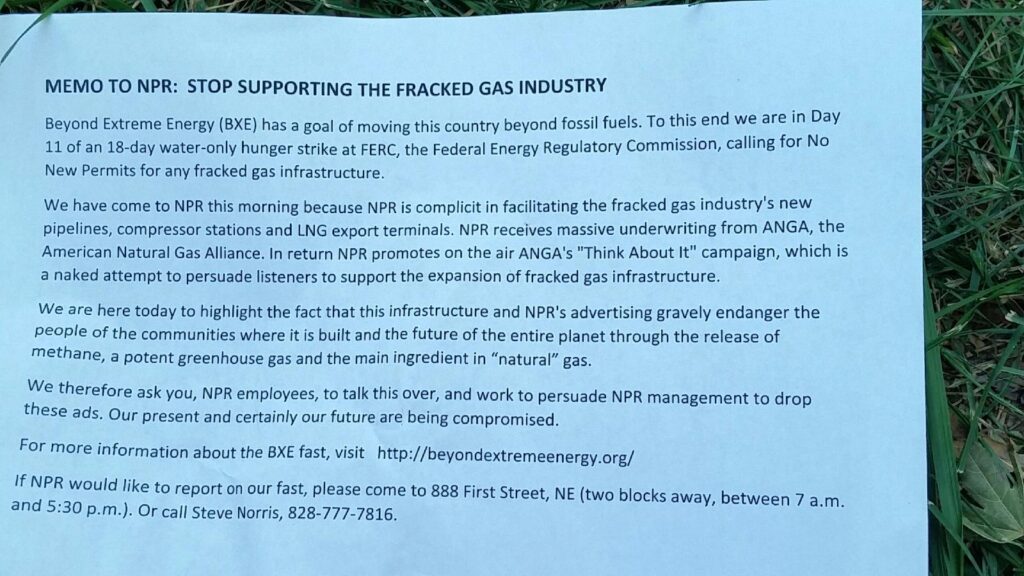
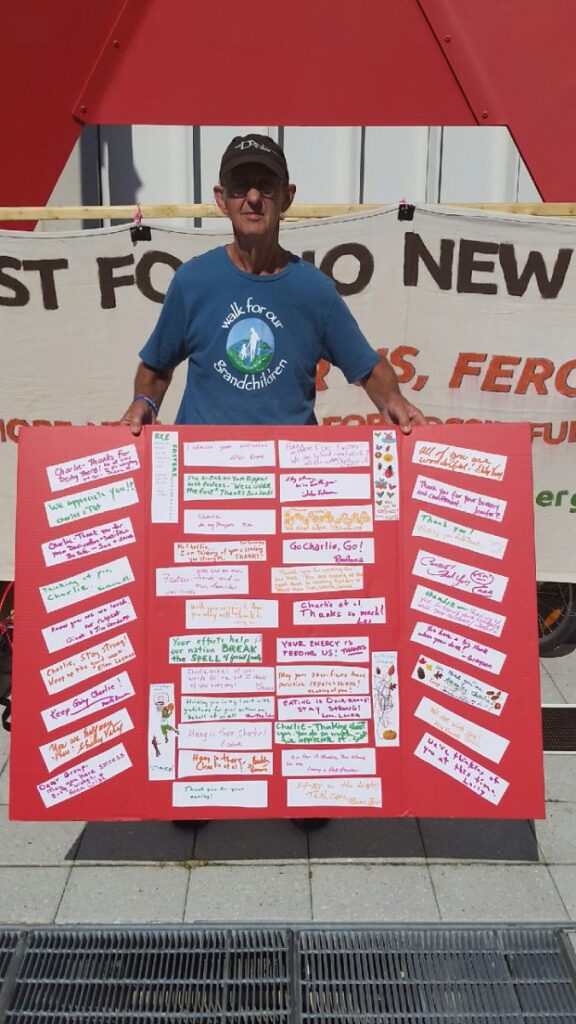
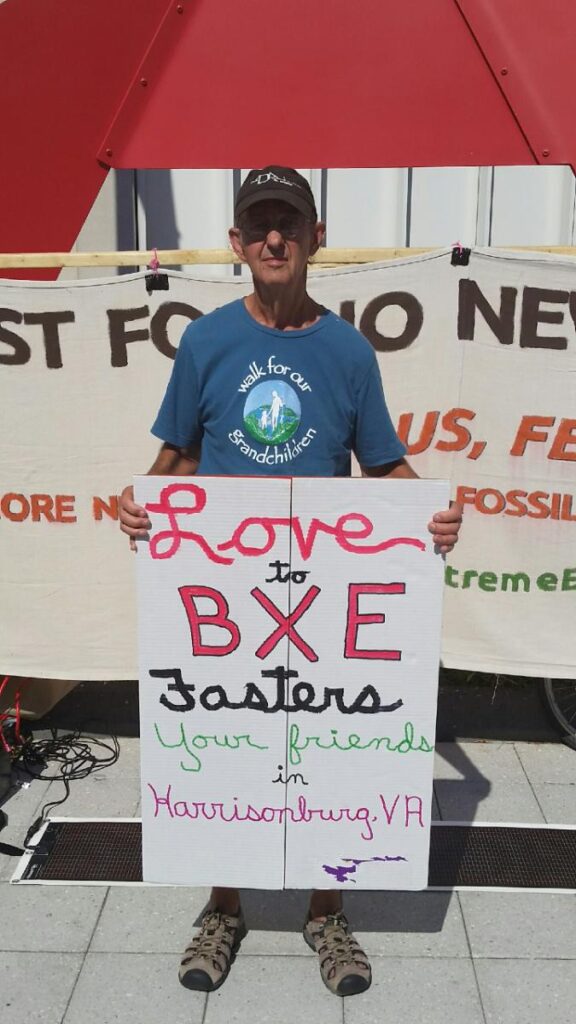
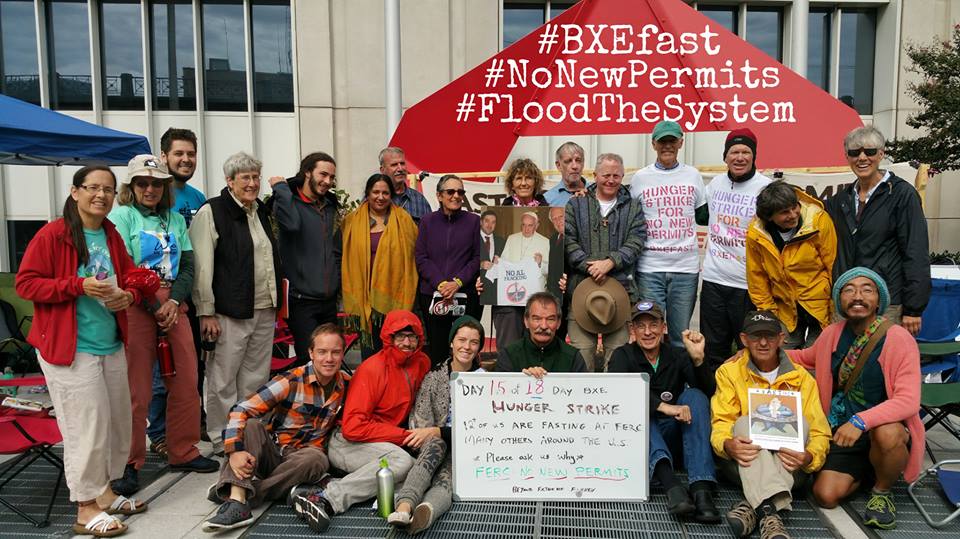
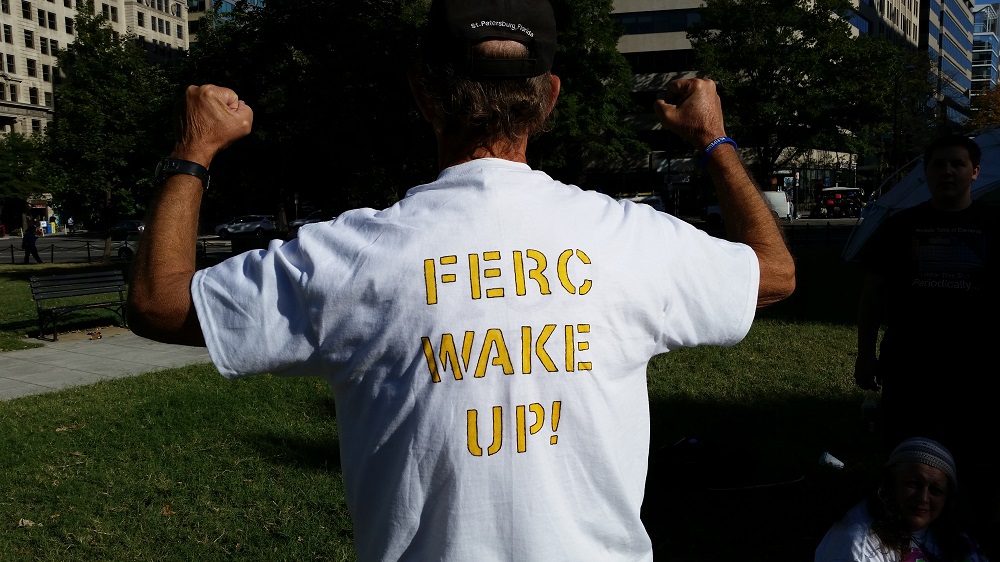
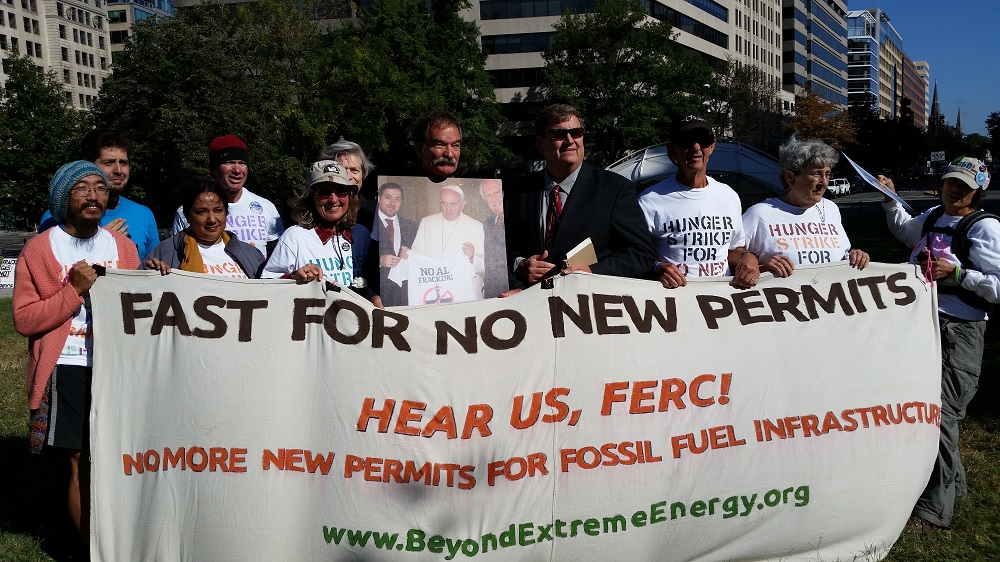
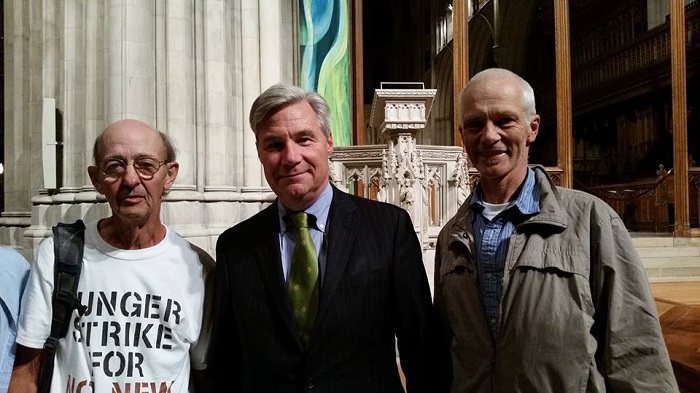
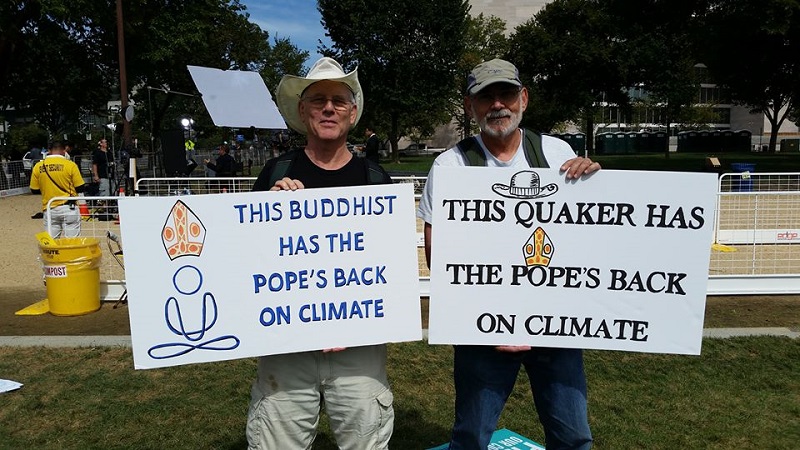
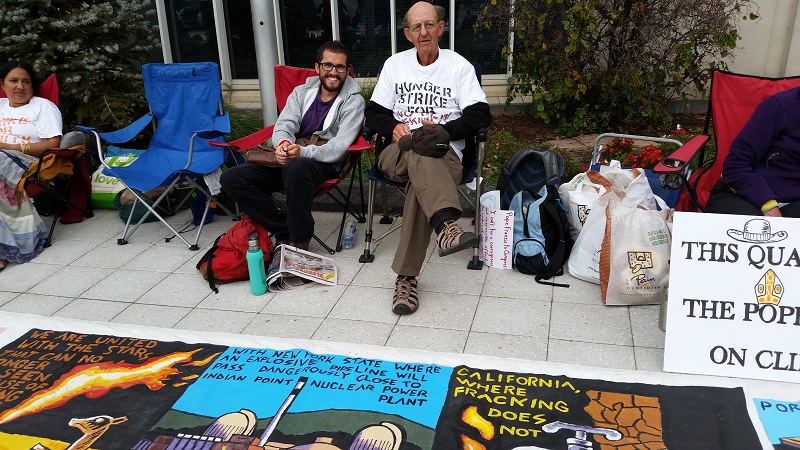
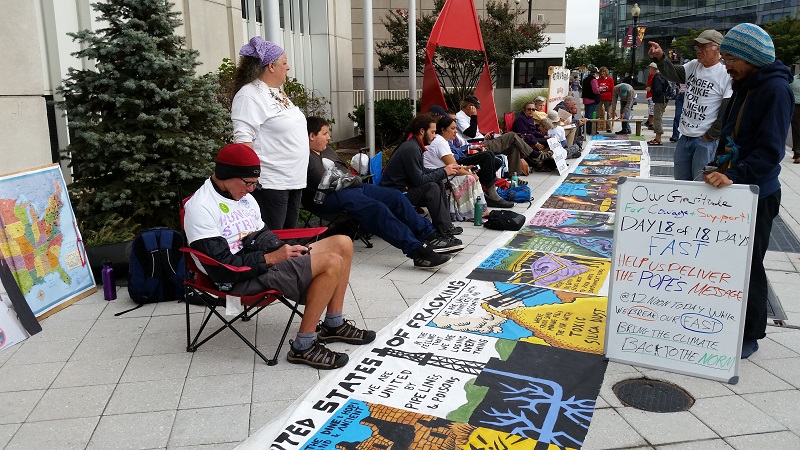
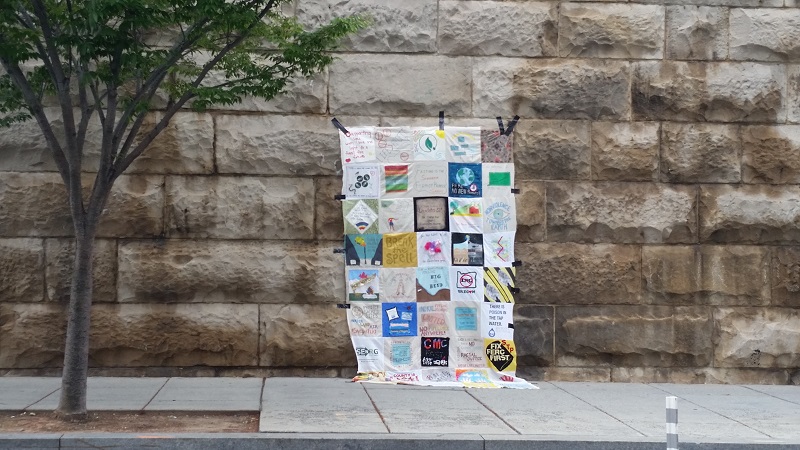
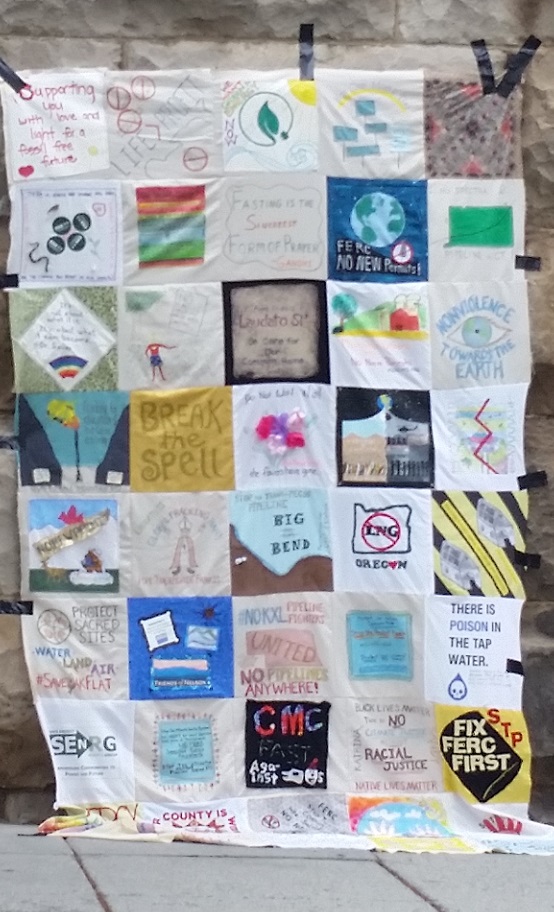
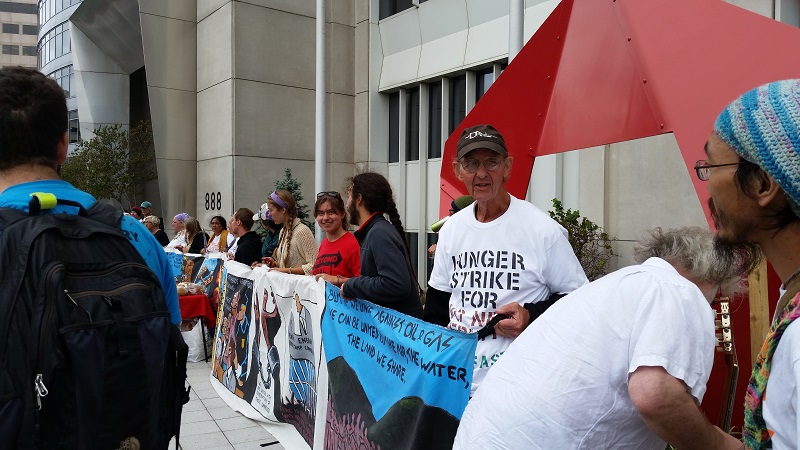
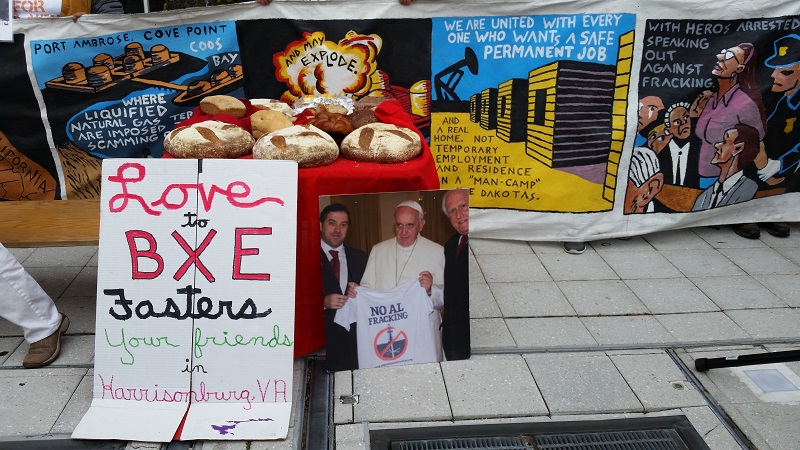
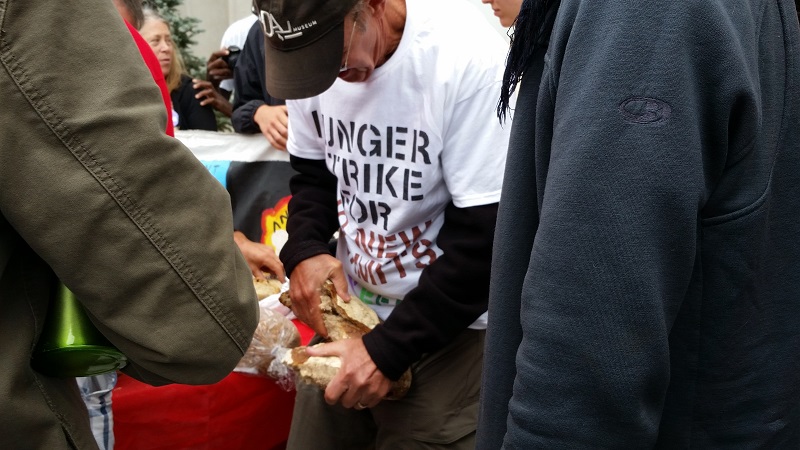
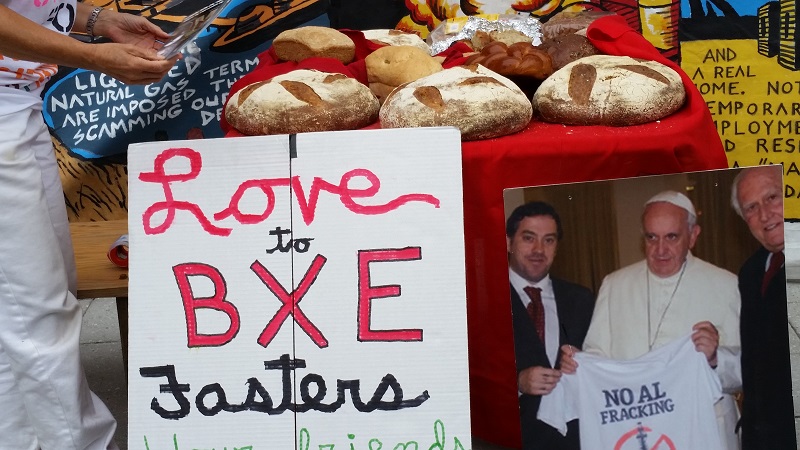
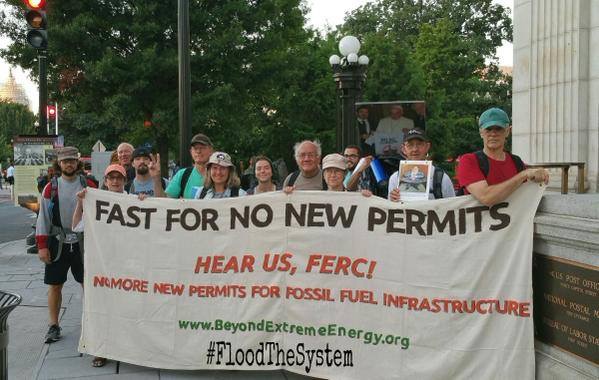
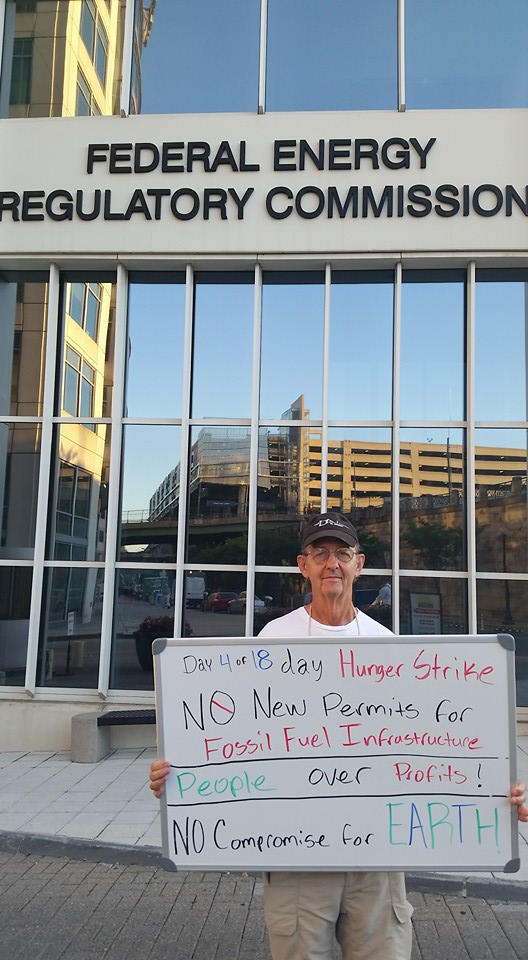
Climate Action Alliance of the Valley member Charlie Strickler was among the dozen people who made it through an “…18-day water-only fast in front of the Federal Energy Regulatory Commission (FERC) to raise awareness of the agency’s contribution to worsening climate change and to harming the health and well-being of frontline communities where these projects are built.”

FastingCharlie.cropThe No New Permits Fast was held from September 8- September 25, 2015, the day the Pope spoke at the United Nations in New York City.

Charlie’s letter to Governor McAuliffe here.

Charlie’s Letter to the Editor about his experience here: Fasting and Climate Change.

Hunger Strikers Lay It All on the Line to Stop Gas Pipeline Permits

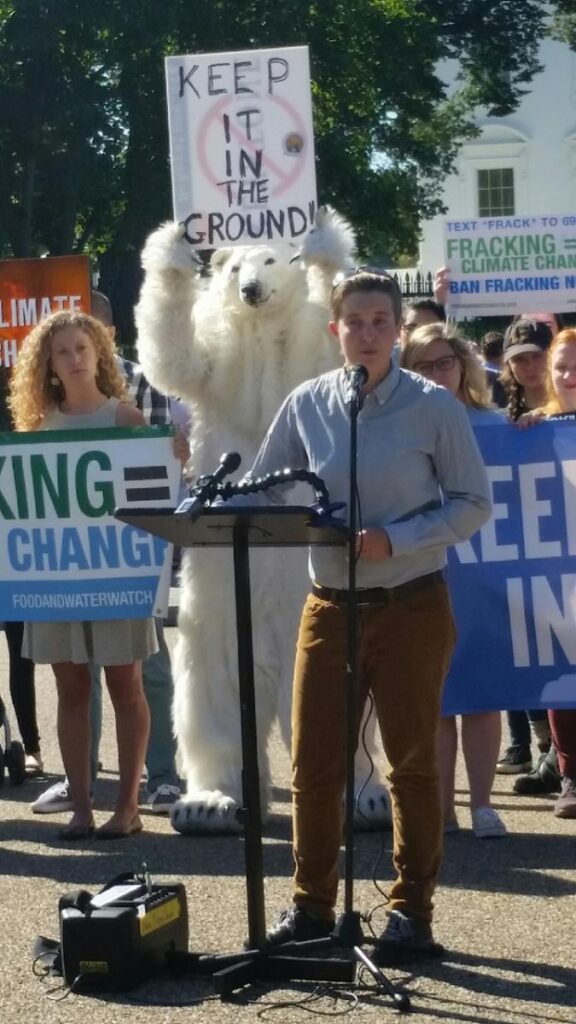
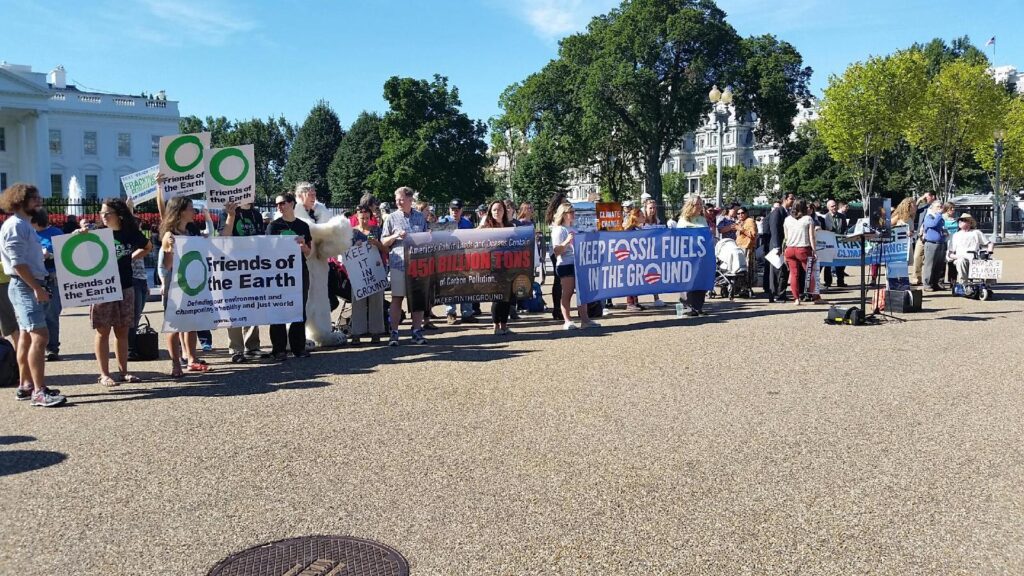
A sermon on the Mall, as the pope’s words soothe a throng of activists

Climate News Roundup 9/18/2015

  • One of the world’s biggest problems is how to lift people out of poverty while simultaneously reducing the use of fossil fuels. One way of doing this is to help countries leap over fossil fuels and go directly to renewable energy, such as solar panels. Ngozi Okonjo-Iweala, a former finance minister of Nigeria and a former director of the World Bank, discusses how this is being done in an op-ed piece in The New York Times.
  • Numerous studies have made it clear that the majority of fossil fuels must remain in the ground if humanity is to have any hope of keeping global warming below 2C (3.6F) above pre-industrial temperatures. This necessity was emphasized in the most recent IPCC report when it included the concept of a carbon budget. Now, in order to stay within the carbon budget, a group of environmental organizations has called on President Obama to stop new leases for the development of fossil fuels in public lands and waters.
  • The G20 nations pledged to end fossil fuel subsidies in 2009. In spite of that, subsidies given in the Powder River Basin total $2.9 billion a year according to a study by Carbon Tracker Initiative and three other organizations. This equates to $8 per tonne, or almost 25% of the sales price. However, the unaccounted for social costs of fossil fuels are even greater.
  • Bill McKibben reflects on the first installment of a report by Inside Climate News on Exxon’s understanding of climate change and its causes in the 1970’s and 80’s. The second installment was released Thursday.
  • Scientists and economists at Penn. State University have prepared a Climate Impacts Assessment Update for the Pennsylvania Department of Environmental Protection. Because of the proximity of Pennsylvania to Virginia, their findings may provide a clue as to the changes we might expect in a warming world.
  • Last week I provided a link to an article about projections indicating that all of the ice in Antarctica will melt if we burn all of the known reserves of fossil fuels. Jedediah Purdy, a professor at Duke Law School, used that article as a springboard for a discussion of the fact that the future of the planet is a political problem.
  • Dry lands comprise 40% of Earth’s land surface. They are covered with “biocrust”, a symbiotic mixture of mosses, lichen, and photosynthetic cyanobacteria,
    that glues the surface together, preventing the soil from blowing away. The biocrust also stores a significant amount of carbon, estimated at 25% of the carbon in Earth’s soil. Thus it is disturbing that a recent study published in the Proceedings of the National Academy of Sciences has found that elevated temperatures, like those expected from global warming, disrupts the biocrust, causing loss of the mosses and lichen with their associated adhesive properties.
  • A research paper in the journal Nature Climate Change has found that the drought in California is more severe than any in the past 500 years. While the drought is considered to be part of a natural pattern, a Columbia University study has found that human-caused climate change has made it significantly worse. As if that wasn’t enough, a Stanford University study found that a future of more frequent drought in California is a near certainty. National Geographic provided a detailed report on the implications of these findings.
  • Commitments of CO2 reductions made for the Paris talks are inadequate to hold warming below 2C. Carbon Brief discusses a new report about the consequences of exceeding that threshold.
  • U.S. and Chinese cities are committing to higher standards for greenhouse gas reductions than their respective nations have. Meanwhile, some cities worldwide are progressing well in their efforts to abandon fossil fuels, whereas others are almost completely reliant on them.
  • The National Academy of Sciences has released a new booklet that highlights four ways that changes in the Arctic will reverberate beyond the Arctic: (1) changes in the weather, (2) impacts on our food supplies, (3) increase in sea level, and (4) worsening of global warming. You can download a copy of the booklet (8 MB) for free.
  • Two recently published scientific papers used new statistical techniques to conclude that a hiatus in global warming during the past 15 years never actually existed. When combined with other papers published recently the evidence is clear that global warming is continuing unabated.
  • Britain’s top climate and weather body, the Met Office, issued a report on Monday that predicted that 2015 and 2016 will be among the very warmest years ever recorded.
  • In a sensitive essay entitled “The Age of Loneliness“, Meera Subramanian writes about where we have been and where we might be going during the Anthropocene.
  • Here is an essay you just may want to pass on to a mom or dad who doesn’t seem too concerned about climate change.

These news items have been compiled by Les Grady, member and former chair of the CAAV steering committee. He is a licensed professional engineer (retired) who taught environmental engineering at Purdue and Clemson Universities and engaged in private practice with CH2M Hill, the world’s largest environmental engineering consulting firm. Since his retirement in 2003 he has devoted much of his time to the study of climate science and the question of global warming and makes himself available to speak to groups about this subject. More here.
BXE Fast, Week Two Update

September 14, 2015, Press Release

For more information, call or text Melinda Tuhus at 203.623.2186 (back-up number is Ted Glick, 973.460.1458)

FERC Fasters Enter Second Week; Welcome Franciscans to Fasting in D.C.

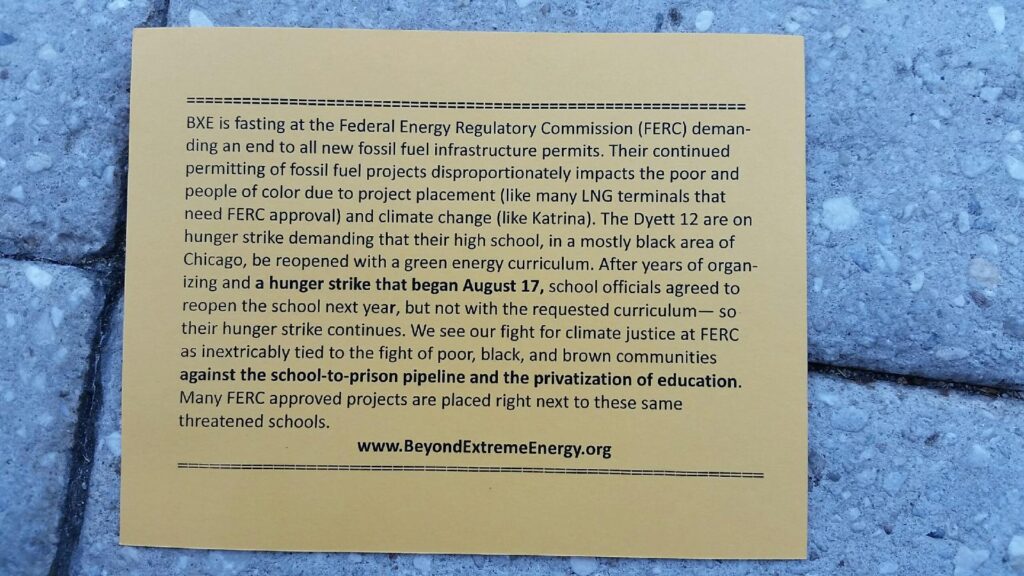
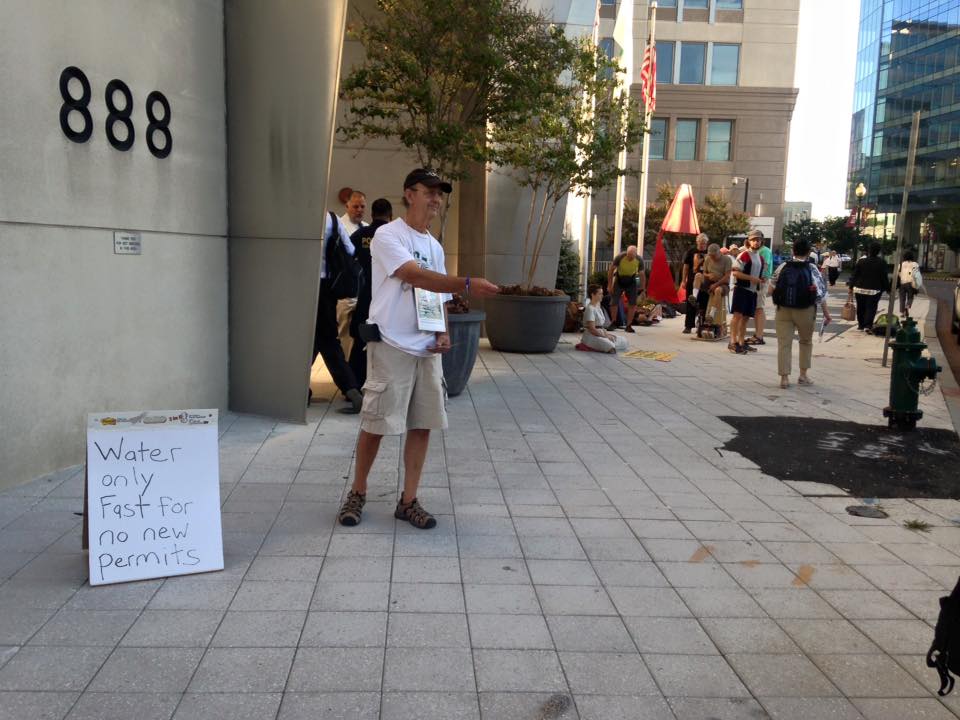
The dozen members of Beyond Extreme Energy (BXE) who began fasting on September 8, calling on the Federal Energy Regulatory Commission (FERC) to stop issuing permits for fracked gas pipelines, export terminals and other infrastructure, are entering the second week of their 18-day, water-only fast. They say FERC’s actions exacerbate our climate crisis and devastate communities, since methane (the main ingredient of natural gas) is a powerful global warming gas.

They can be found sitting on chairs or talking to FERC employees and passersby from 7 a.m. each weekday morning until 6 p.m. outside FERC headquarters, 888 First St. NE in D.C.

After they leave the FERC building tonight (Monday), the BXE fasters will head to McPherson Square (15th and K St NW), where a dozen members of the Franciscan Action Network began their own fast today in preparation for the arrival of Pope Francis in the city later this month. Francis, who takes his name from St. Francis, the founder of the Franciscan order, will address a joint session of Congress on Sept. 24. His recent encyclical, Laudato Si, On Care for Our Common Home, focuses on the need to reverse climate change, with its disproportionate impact on the world’s poor.

On Sunday night, BXE faster Steve Norris punched three more holes in his belt, “so my jeans don’t fall off,” said the 72-year-old from Asheville, N.C. Other fasters are pulling the string holding up their pants a little snugger. They are being joined by others every day, some of whom come to FERC, others who fast in their own communities.
They plan to break their fast on Friday, Sept. 25 with a procession around FERC, and leaders from various faith traditions deliver copies of the Pope’s encyclical to the five FERC commissioners.

Today, in addition to the FERC-focused cards they’ve handed out every day, BXE fasters and their supporters passed out cards saying “Black Lives Matter” on the front, with an explanation on the back that climate change – driven in part by all the approvals granted by FERC – impacts low-income communities and communities of color “first and worst.” Hurricane Katrina is just one tragic example.

www.beyondextremeenergy.org

###

Climate News Roundup 9/11/2015

Before getting into this week’s climate news I want to give a shout out to CAAV Steering Committee member Charlie Strickler who is among the group engaged in a fast outside of the Federal Energy Regulatory Commission in Washington, DC. Thank you Charlie and good luck. Please take care of yourself.

  • Joni Grady, Doug Hendren, and I were in DC on Thursday to participate in the Grandparents Climate Action Day. The high point of our day was being part of a flash mob in Union Station in the morning. You can see it here.
  • How business responds to climate change will have a large impact on how rapidly the world reduces its carbon emissions. Thus, it is discomforting to learn that fewer than half (46%) of the CEOs of the worlds largest companies will prioritize the issue, even if a binding climate agreement is reached in Paris.
  • The Syrian crisis began when prolonged drought and an exhausted aquifer forced farmers off their land and into cities where there were no jobs. But, as Peter Mellgard discusses, the European migrant crisis may just be a harbinger of things to come as climate change forces people to leave their homelands. Craig Bennett, CEO of Friends of the Earth, also discusses the issue.
  • A new study by the New Climate Economy has shown that cities world-wide could generate savings of up $17 trillion by investing in green urban infrastructure.
  • Two recently published studies by different scientific teams provide further evidence that melting glaciers on Greenland could lead to disruption of global ocean currents, such as the Gulf Stream. Possible effects range from plunging temperatures in northern latitudes to centuries-long droughts in Southeast Asia.
  • In an interesting exercise, Damon Matthews of Concordia University in Montreal, Canada has monetized the CO2 emissions from various nations, dividing them into two groups (debtor and creditor) depending on whether they emitted more or less than the global per capita average. He used the EPA’s social cost of CO2 of $40 per tonne in arriving at his figures, which show that each person in the US has an accumulated debt of $12,000, whereas each person in India has a credit of $2500. Similarly, George Washington University’s graduate program in health administration has released a new visualization based on 2010 data showing the nations most responsible for climate change and the ones most vulnerable to it.
  • NASA has an interesting website that you might want to bookmark. It is called “Vital Signs of the Planet” and it tracks CO2, global temperature, sea level, etc. They have recently updated some of the figures so I encourage you to check it out.
  • Although it is normal for us to focus on changes occurring in the U.S. weather, we need to remember that changes are occurring all over the world. For example, this summer was especially hot and dry in Europe, as John Abraham reported in The Guardian.
  • The folk in Norfolk can look forward to greater than average nuisance flooding this fall, winter, and spring, according to a recent NASA report, going from about 8 flood days to 18.
  • A recently published paper by Australian scientists has shown that a single statistic, the ratio of the number of record hot temperatures to the number of record low temperatures in a year, is a good indicator of a changing climate.
  • Methane is a more potent greenhouse gas than CO2 so there has been a lot of interest recently in reducing leakage from natural gas transport and distribution pipelines. Thus it is encouraging that a recent study focusing on Cincinnati, OH and Durham, NC has found that replacing old gas mains has brought about a significant reduction in gas leakage.
  • The oceans are major carbon sinks, with about a quarter of emitted CO2 being absorbed by them. Unfortunately, around 1980 the ability of the Southern Ocean to absorb CO2 began declining, which was a cause for concern. Now, new studies based on millions of observations from ships at sea have found that the ability of the Southern Ocean to absorb CO2 has recovered and that it is again a major sink.
  • Idaho has been hit particularly hard by wildfires this year, as well as in the past few. This has had a large impact on many sectors of the Idaho economy. Rocky Barker examines those effects and wraps up with a good list of things that have been learned about wild fires in Idaho this century.
  • In a “the glass is half full” essay, Fred Krupp of the Environmental Defense Fund provides “4 undeniable signs we’re making progress on climate change.” His optimism stems in part from “a deeply reported New York Magazine piece” by Jonathan Chait entitled “The Sunniest Climate-Change Story You’ve Ever Read.”
  • While we all hope it will never happen, a recent study investigated the consequences of burning all available fossil fuel reserves. Hint: don’t buy coastal property.
  • One impediment to building a consensus for action on climate change is the perception that the risk of extreme warming is low. This stems in part from uncertainty in climate science and in part from a lack of understanding of risk. For example, scientists have reported a range of values for the likely warming associated with a doubling of greenhouse gas concentrations. When we think about that range, we generally think that it follows a bell-shaped curve because the likelihood of so many other things in our lives do. Unfortunately, it doesn’t. It displays a distribution with a “fat tail”. Michael Mann of Penn State explains the impacts of that on the risks associated with rising atmospheric CO2 concentrations.

These news items have been compiled by Les Grady, member and former chair of the CAAV steering committee. He is a licensed professional engineer (retired) who taught environmental engineering at Purdue and Clemson Universities and engaged in private practice with CH2M Hill, the world’s largest environmental engineering consulting firm. Since his retirement in 2003 he has devoted much of his time to the study of climate science and the question of global warming and makes himself available to speak to groups about this subject. More here.
Mountain Courier Series: Here Comes the Sun

DogwoodDr.SolarInstall.500Bruce McClinton’s coverage of solar energy use in the Shenandoah Valley has been published as a three part series in the Shenandoah County based Mountain Courier in the July, August and September 2015 issues.

Part 1: Home-grown Power offers a history and overview of solar energy use. “…(W)e examined how the plummeting prices and steadily increasing efficiency of solar photovoltaic (PV) cells is triggering what a recent MIT study describes as an ‘inevitable’ move toward a solar economy. While some countries and states are racing ahead, Virginia’s regulations are holding back development.”

Part 2: In Boutique Solar “…we talk to one Shenandoah County company not willing to wait for the politicians.” “… Edinburg entrepreneur Ed Kelly of Shenandoah Energy Services … finds creative ways to make solar energy blend into the homes and lives of his customers.”

Part 3: In Solar Co-ops: Working Together to Save “… we … see how the power of cooperative buying and the energies of dedicated volunteers helped dozens of home owners in Harrisonburg go solar. And how that option is coming to Shenandoah and Page counties next.”

Click here for a pdf of this series of articles. Find the entire edition of each Mountain Courier issue containing parts of this series by clicking on the corresponding cover below. Latest editions of the hard copies are available at the Edinburg Library.

July 2015
July 2015
August 2015
August 2015
September 2015
September 2015

Climate News Roundup 9/4/2015

  • Ivy Main has a new blog post in which she presents her third annual update of Virginia renewable energy law and policy. If you are considering putting solar panels on your house or business this is a post you should read.
  • A major news story this week was President Obama’s trip to Alaska. Because of its full coverage in major media I will not repeat it here. Rather, I’ll give you a link to a story in The Atlantic about the difficulties of moving a small Alaskan village that is washing into the sea as a result of sea level rise and the melting of the permafrost. The people there are among the first climate migrants
    in the U.S. Another article has a picture of another Alaskan village that is even more vulnerable to sea level rise.
  • Climate migrants are not a future phenomenon, they exist right now. One case is in Zimbabwe. Although this migration is occurring within a single country it is still causing significant problems in the region to which the migrants are moving. Another article addresses the issue of climate displacement and why the term “refugee” is not really appropriate for people displaced by climate change, even when they leave their home country.
  • People in Kazakhstan, Kyrgyzstan, Uzbekistan, and northwest China depend on melt water from glaciers in the Tien Shan mountain range as a critical part of their water supply. The melt rate of these glaciers has accelerated and by 2050 warmer temperatures driven by climate change could wipe out half of the remaining glacial ice.
  • Samuel Alexander (Research Fellow, Melbourne Sustainable Society Institute, University of Melbourne, Australia) and Josh Floyd (advisor on energy, systems, and societal futures at Understandascope, and founding partner of the Centre for Australian Foresight) have some interesting ideas about a sustainable future. Some of their ideas may make you uncomfortable, but they certainly deserve consideration.
  • And now for some good news: CO2 emissions from electric power plants have hit the lowest point in 27 years. This happened even before the Clean Power Plan was released.
  • The World Wide Views Alliance has engaged 10,000 people in 76 countries to learn their views on the desirability of action on climate change. The United Nations Environment Programme has summarized the findings. A synthesis report is also available.
  • The world is undergoing a battery revolution and this may well have a big impact on your life. In fact, the second quarter of 2015 saw a 6-fold increase in energy storage deployment over the first quarter.
  • Tampa, Florida, Cairns, Australia and Dubai could experience super-charged hurricanes because of climate change, according to a new study from Nature Climate Change. These so called “grey swan” storms, events that are foreseeable but rare, pose a particularly grave threat to these three cities because of their massive storm surge potential.
  • A new study provides additional evidence that a warming Arctic can lead to colder winters in North America and Asia. Specifically, the new study identifies two areas in the Arctic that lead to colder winters, one affecting North America and the other Asia. The authors state that their findings will help weather forecasters.
  • A recent study published in the Proceedings of the National Academy of Sciences makes the case that droughts and heat waves have become more likely to overlap in the past 20 years compared to the period from 1960 to 1980. Interestingly, their map indicates that this has not been the case in the Valley, which has experienced fewer overlaps.
  • Deforestation has two impacts on climate change. First, as forests are cut down and burned, large quantities of CO2 are released to the atmosphere, directly contributing to warming. Second, the lost forests no longer remove CO2 through tree growth. Thus, it is disturbing that data from the University of Maryland and Google indicate that the world lost more than 45 million acres of tree cover in 2014. Also this week a new paper in Nature indicated that the world has many more trees than previously thought, although there are 46 percent fewer trees than there were before extensive deforestation began.
  • A paper in the journal Geophysical Research Letters indicates that the record floods in Texas and Oklahoma in May 2015 were intensified by global warming.
  • A study published in the journal Nature/Scientific Reports has found that between 1950 and 2010, 5.7% of the global total land area shifted toward warmer and drier climate types. Modeling studies found that the shift cannot be explained by natural variations, but rather, was driven by anthropogenic factors such as CO2 emissions.
  • Even in the face of extreme climate change, life (of some sort) will go on. Lizzie Wade speculates in Wired on how biodiversity might change in a warmer world.

These news items have been compiled by Les Grady, member and former chair of the CAAV steering committee. He is a licensed professional engineer (retired) who taught environmental engineering at Purdue and Clemson Universities and engaged in private practice with CH2M Hill, the world’s largest environmental engineering consulting firm. Since his retirement in 2003 he has devoted much of his time to the study of climate science and the question of global warming and makes himself available to speak to groups about this subject. More here.
Take the Bus to the Moral Action on Climate Justice Rally

moral-action-on-climate

From the Virginia Sierra Club:

Join Us for the Moral Action on Climate Justice Rally
Thursday, September 24, 2015
On the National Mall – Between 4th & 7th Streets, NW, Washington, DC

The Pope visits DC on Thursday, September 24, 2015, and hundreds of thousands are expected to come to DC to participate in the Moral March for Climate Justice. Buses will be leaving from Nelson County and Staunton. On this historic day, as Pope Francis addresses a joint session of Congress, we will gather in support of his call for urgent action to address the climate crisis and create a new future of economic equality, social justice, and environmental equity.

Pope Francis’s encyclical echoes what those in the Climate Justice Movement already know – climate justice is not about trying to solve an abstract climate problem. Climate justice is about local communities campaigning for rights and just outcomes in their communities- health, fair housing, positive economic opportunities, transportation, cultural preservation, food security, clean air, safe water, green energy, resiliency, and harmony between Man and Mother Earth. As Indigenous activist Clayton Thomas-Muller has stated, the climate justice movement is about: “Not simply demanding action on climate, but demanding rights-based and justice-based action on climate that … amplifies the voices of those least responsible and most directly impacted.”

Bus Routes:
• Route 1 will start in Staunton at 5:00 am with buses going up I-81, stopping at Harrisonburg
• Route 2 will start in Nelson County at 5:00 am with buses going up Route 29

We have reserved 4 buses. Please place your ticket order for the route that is most convenient to your location. Purchase tickets early please.
Link for ticket reservations: https://www.eventbrite.com/e/moral-action-for-climate-justice-rally-tickets-18280688030

Bus stop locations will be announced 1 week before departure.

For more information, contact Kirk Bowers, Sierra Club pipeline issues organizer: kirk.bowers[at]sierraclub.org

The Impact of Climate Change on Peace and Security

Schirch2.500On September 15, 2015, the Climate Action Alliance of the Valley will present a public talk by Dr. Lisa Schirch on the Impact of Climate Change on Peace and Security. Schirch is Director of Human Security at the Alliance for Peacebuilding, and Research Professor at the Center for Justice and Peacebuilding at Eastern Mennonite University.

Dr. Schirch will talk about how climate change is not only going to affect our world in terms of environmental impacts, but also in economic, social, political, peace, and security areas. She says, “What I’ll do here is to link the different impacts together, because climate change itself does not cause conflict. It operates within a complex dynamic system.”

The talk won’t go into the settled science but will instead go over the impacts of climate change, seeing how the different impacts are related, and looking at the world as a community so that we can collectively address and conquer this major threat.

In addition, John Eckman, Executive Director of Friends of the North Fork of the Shenandoah River, will discuss the issue as it may more narrowly impact the Valley.

Please join us for this presentation on Tuesday, September 15, 6:00PM, at the downtown Harrisonburg library, 174 S. Main St., Harrisonburg.